
A VR module needs someone responsible for checking whether its information remains current. Changes to equipment, layouts or procedures may affect the exercise. Agree who reviews those changes and how the development team is informed.
View more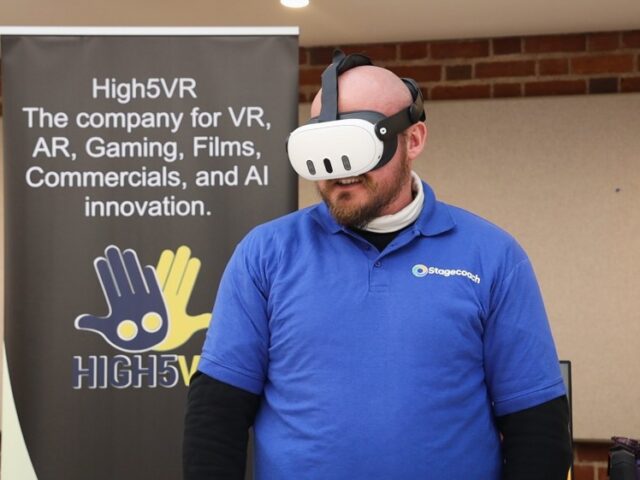
A learner’s first headset session should begin with a clear explanation of what will happen. Show the relevant controls and let them practise a simple action before the training task. High5VR can include an introduction suited to your intended audience.
View more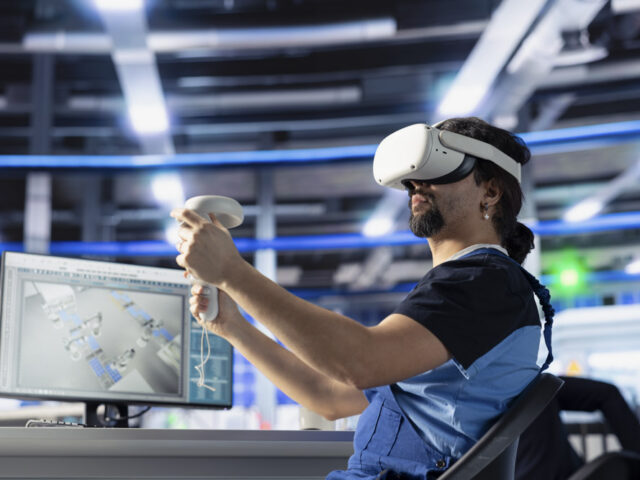
To quote for a business video, we need its purpose, audience, intended viewing channels and the main message. High5VR also needs to understand the filming and editing requirements. These details give us a basis for proposing a production scope.
View more
VR electrical training can be scoped to introduce equipment appearance, terminology and approved information sources. A virtual environment gives educators a separate setting for observation exercises. High5VR can discuss a module with your responsible technical trainers.
View more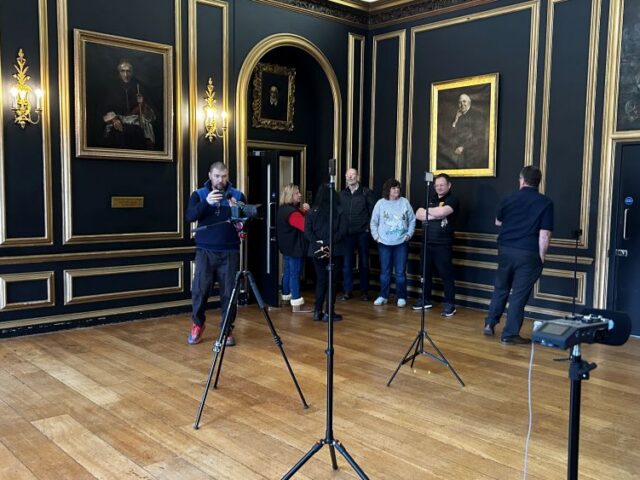
Before a 360° shoot, agree the story, locations, access and final deliverables. High5VR can help turn those requirements into a production brief. Having the right people and spaces available on the day is as important as having the camera ready.
View more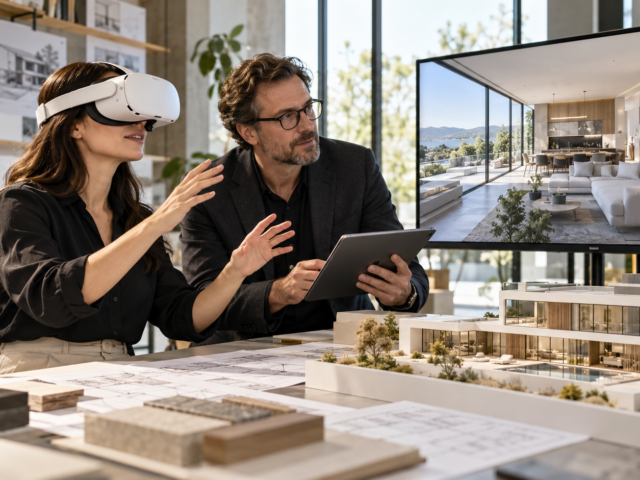
The space needed for VR training depends on whether learners sit, stand or move. A seated conversation and a room-scale exercise need different arrangements. Confirm the application’s intended setup and supported device requirements before choosing a session area.
View moreAR can be developed to show approved visual information alongside equipment through a supported device. The project needs a defined task and a reliable way to identify the relevant item. High5VR can discuss whether that approach is suitable for your setting.
View more
VR employee training can introduce the same approved scenario to new starters across different sessions. That consistency begins with the content, not the headset. Decide which information every learner should receive and which elements vary by role or location.
View more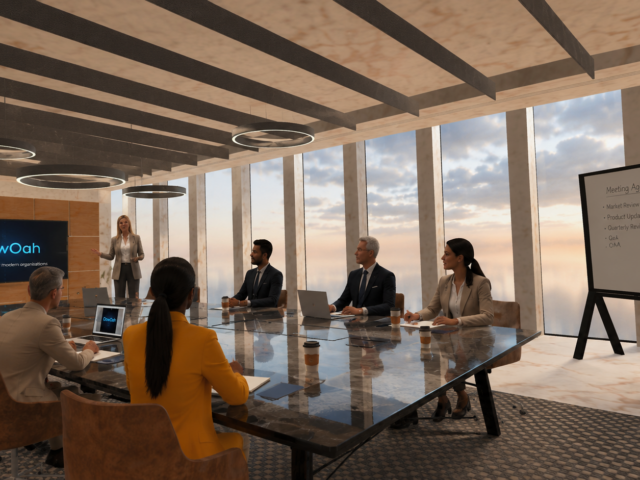
Measuring VR training begins with the learning objective. Decide what learners should recognise, explain or do after the activity. Without that definition, a high completion rate or enthusiastic comment cannot tell you whether the exercise addressed the intended problem.
View more
Producing a TV advert and paying to show it on television are separate parts of a campaign. A production quote covers the agreed creative and technical deliverables. Media placement covers the arrangements for broadcasting the advert to the intended audience.
View more
Fire safety training for employees should connect with their working environment. A bespoke VR exercise can show selected spaces and present approved observation questions. High5VR can discuss whether filmed footage or a digital model best supports your intended activity.
View more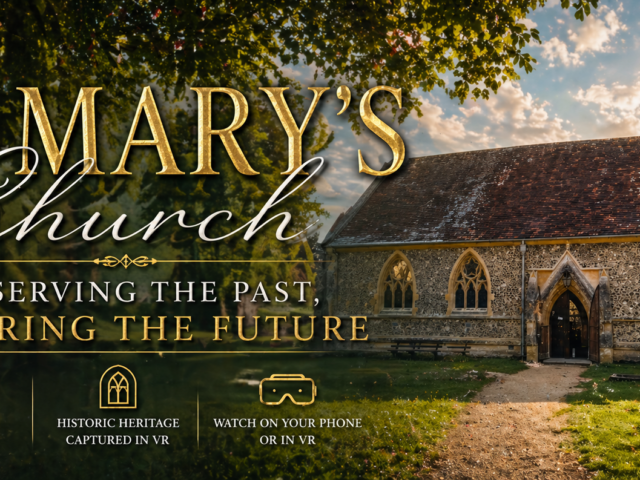
Yes. High5VR can discuss a virtual tour that introduces your venue to people viewing remotely. The first question is what visitors need to understand: the character of the space, how areas connect or which facilities are relevant to their enquiry.
View moreA bespoke VR training project can include client materials, newly created models, application code and licensed third-party assets. These may have different ownership and usage arrangements. Discuss each category rather than treating the finished experience as one undifferentiated file.
View more
The choice depends on what you want people to experience. VR can present an immersive digital environment; AR can show digital content alongside the real world; 360° video captures a scene people can look around. High5VR can discuss each approach against your objective.
View more
A first VR training pilot works best around one recurring learning challenge. Perhaps new starters struggle to recognise a route or learners find a conversation difficult to rehearse. Record what currently happens and what you would like participants to understand after the exercise.
View more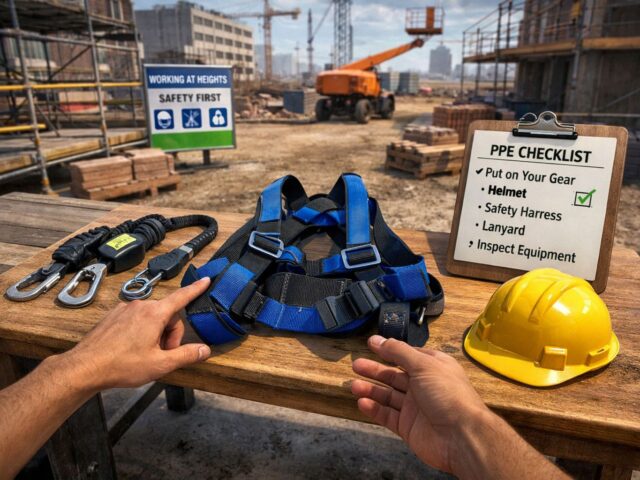
An apprentice may understand a concept in class yet find it harder to recognise in a workplace. VR training for apprentices can place approved information within a fictional working scene. High5VR can develop an exercise with your training provider and subject specialists.
View more
AI-generated video can produce creative imagery, but it should not be assumed to reproduce every detail consistently. Exact products, readable text, repeated characters and complex movements can require particular scrutiny. High5VR reviews generated material as part of an agreed production process.
View more
A virtual exercise for fire warden training could explore how learners notice and communicate relevant information within an approved scenario. High5VR can work with your trainers to represent a fictional setting and defined decisions. The responsible specialists retain control of the learning content.
View more
Yes, High5VR can discuss an AR experience that places a digital furniture model within a customer’s view of their room. It can help people explore an arrangement before buying, provided the model, tracking and supported devices suit the intended use.
View moreVR training LMS integration begins with a reporting requirement. Your organisation might need a completion record, assessment result or activity summary. Describe which information is needed and how it will be used before requesting a general integration.
View more
Lets leap into the future