
How do we decide which training problem to tackle first?

Describe who needs help, which task is affected and what evidence shows a gap. A request to improve all training is difficult to scope. Identify an approved learning objective that the responsible team can explain and review.
Can VR add a consistent induction exercise for agency staff?

VR training for agency staff could introduce an approved workplace scenario before a trainer discusses what it means. It should be an add-on to classroom learning, site induction and supervised practical instruction. A short exercise has a clearer purpose when it focuses on one task, such as identifying the information a new starter needs before entering a work area.
Do we need an immersive training room or individual VR headsets?

An immersive training room can refer to different setups, including a space using surrounding screens or projection. A headset experience gives each wearer an individual view through the supported device. Ask a supplier to show the actual setup and learner actions rather than assume that every product called immersive provides the same experience.
Can VR training let employees practise different outcomes from the same decision?

A branching VR exercise can be designed so that an agreed learner choice leads to a different scene or response. Begin with the learning objective and the decisions that matter to it. Additional branches need content, implementation and testing; they are not automatic features of every VR course.
How do trainers review what a learner did during a VR exercise?

Start with the learner actions that relate to the objective: a selection, a sequence or an observation explained afterwards. Not every exercise records those actions. High5VR can discuss the review requirements while scoping the content so the trainer receives useful information rather than an unexplained score.
Can VR support learning for people who find written instructions difficult?

Some learners may find a visual or spoken explanation useful alongside written instructions. That does not mean VR is suitable for everyone or that all reading difficulties have the same cause. Discuss the audience and learning task before selecting the presentation format.
Can hand tracking make a VR training exercise easier to use?

Hand tracking can allow a supported application to respond to hand movements without a handheld controller. Whether that is useful depends on the task, device and interaction design. It should not be assumed to be easier for every learner or every training exercise.
How could VR add sound-awareness exercises to a phonics programme?
A VR activity could present an approved listening task in a visual setting, such as selecting an object associated with a sound. The phonics specialist should decide what the learner is practising and how the activity fits the teaching sequence. The technology should serve that objective.
How do we help employees remember what they learn in training?

Identify what employees need to remember and when they will use it. A short list of actions connected to a workplace situation is easier to plan around than a broad request to remember the entire course. Trainers should decide which information belongs in the exercise and which remains reference material.
How can we make workplace training more engaging?

Ask what learners need the training to help them do. A workplace example, a decision to discuss or a task to practise can give the material a clear purpose. Entertainment should not replace accurate content, and a visually impressive presentation may still leave the learning objective unclear.
How do we know whether staff can apply their training at work?

Write down what trained staff should be able to do, explain or recognise in the relevant setting. Completing a course is different from demonstrating the task. The responsible specialists should set suitable assessment criteria and decide which observations are required.
How can employees practise difficult situations before facing them?
A difficult situation might involve an unfamiliar conversation, a competing priority or a decision made with incomplete information. Select one learning objective and use an approved example. Avoid exposing learners to an unnecessarily intense scenario simply because the technology can present it.
How do we train staff without disrupting daily operations?
Some training depends on actual equipment or supervised work, while other material can be introduced separately. Map which parts require an operational setting and which could use approved photographs, video or a model. This helps define a practical production and delivery plan.
How can we give employees time to practise without rushing them?
A practice activity can allow learners to revisit instructions or repeat a task, while a formal assessment may have different rules. Decide which you are creating and explain that distinction. Learners should understand whether an attempt is for exploration, feedback or an assessed result.
How can we help nervous learners build confidence?
Explain the purpose of the session, what learners will be asked to do and how feedback will work. Uncertainty about the process can be addressed before an exercise starts. Invite questions and avoid presenting practice as a surprise test.
When should we use video, classroom teaching or practical exercises?

A video can demonstrate an approved sequence; classroom discussion can explore questions; supervised practical work can develop tasks in the actual setting. The appropriate combination depends on the audience and learning objective. No single format should be chosen simply because it is available.
What should we include when briefing a company to create training materials?
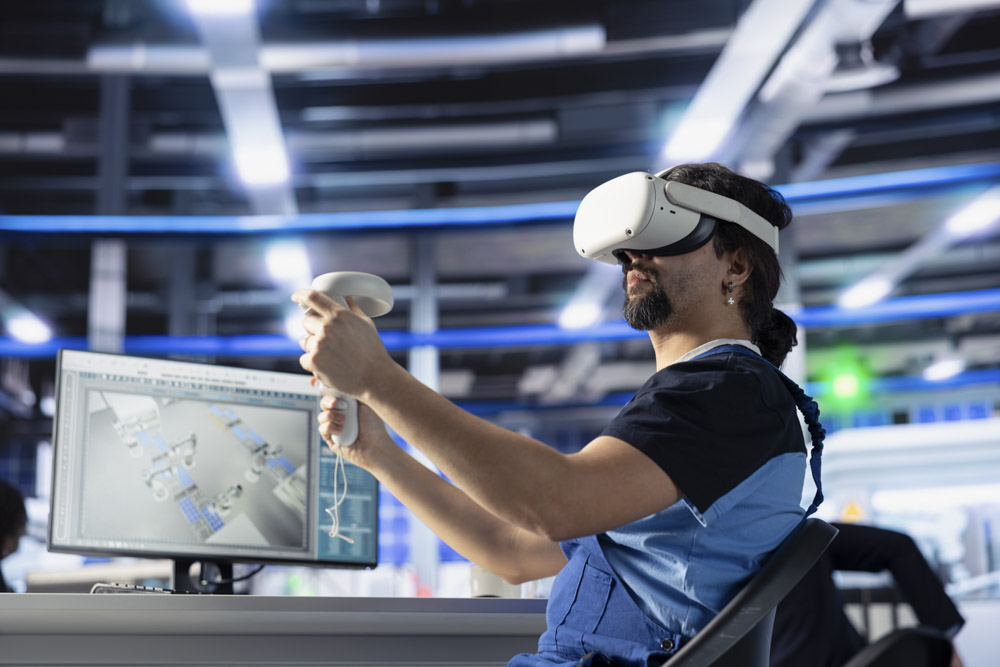
Give the audience, objective and the workplace context. Identify what learners should understand or practise, and provide approved procedures or reference material. A list of desired technologies is less useful than a clear description of the task the content must support.
How do we adapt training for different languages and reading abilities?

Ask which languages and presentation needs the programme must support. Reading ability, technical vocabulary and language familiarity are separate considerations. A translation alone may not make an instruction clear if the original assumes knowledge the learner does not have.
How can we check training progress without relying only on a written test?
An explanation, a supervised demonstration or a discussion of an approved scenario may reveal different aspects of learning. Decide which evidence is suitable for the objective. A written test remains useful for some purposes, but it should not automatically stand in for every practical task.
How do we find gaps in employees’ knowledge before planning training?

Start with the approved knowledge and tasks relevant to the role. A broad survey about training preferences may not identify whether someone understands a specific procedure. The responsible team should decide which gaps matter and how they can be assessed appropriately.