
How do we plan filming at our Christmas event?

A Christmas event film starts with the moments you want to capture and the permissions, access and practical arrangements for doing so. High5VR can discuss filming around your programme, whether the aim is a highlights film, interviews or an immersive sequence.
How do we capture a live performance for an immersive VR film?

An immersive live-performance film needs a plan for where the audience will feel positioned and how the sound will be recorded. Choose the experience you want to preserve before putting a 360-degree camera in the room.
Can a 360° film include archive photographs and historical material?

A 360-degree film can incorporate archive photographs or historical material, provided the presentation and usage permissions are appropriate. Decide how the material helps the story and how a viewer will encounter it inside the immersive scene.
What permissions are needed to recreate someone’s face or voice using AI?
Recreating a real person’s face or voice with AI needs careful agreement about what will be created and how it will be used. Do not assume that access to a photograph or recording gives permission for a synthetic performance.
How do we plan a documentary filmed across several locations?

A documentary filmed across several locations needs a clear story and a coordinated production plan. Each extra location introduces access, travel and continuity decisions. Work out why the audience needs each place before booking the crew.
Can we use an AI-generated person as a presenter in a company video?

An AI-generated presenter can be considered for some company videos, but the decision should follow the message, accuracy requirements and audience expectations. A synthetic character should not be used to suggest a genuine employee or customer endorsement that never occurred.
What happens if bad weather disrupts a planned filming day?
Bad weather can affect outdoor footage, sound and access to a location. A useful filming plan includes a way to make decisions before the crew travels, rather than waiting until the shoot has already become impractical.
Who owns the rights to AI-generated footage used in a business advert?
There is no reliable one-line answer that makes every AI-generated clip exclusively yours. A business needs to review the production agreement, the tool’s current terms and the material used in the finished advert. Permission to use a file and ownership of rights in every element are different questions.
Should our company film use a presenter, customer interviews or narration?

A presenter, interview and narration create different kinds of business film. Choose the approach that helps the audience understand the subject and suits the people and material available. A mixed format can work when each element has a clear purpose.
Can an interactive product demonstration work across a headset, website and exhibition screen?
An interactive demonstration can be planned for several devices, but a headset application, website and exhibition screen have different controls and delivery conditions. Start with a common product message, then decide how each audience will explore it.
What permissions do we need before filming people in a workplace documentary?
Before filming people in a workplace documentary, agree participation and usage arrangements with the organisation and contributors. Access to a building is not the same as approval to use every person’s image or every detail captured inside it.
How do we record clear dialogue during a 360° location shoot?

Clear dialogue in a 360-degree film needs deliberate sound planning. The camera may record the whole room, but it does not automatically capture every voice well. Consider the scene, contributors and background noise before the filming day.
How can we show a VR experience in a normal promotional video?
A promotional video can help people understand a VR experience before they put on a headset. It should show both what the user sees and how the experience is used. A clear edit can explain the offer without implying that a flat video reproduces the feeling of being inside VR.
How do you plan scenes for a first-person animated VR film?
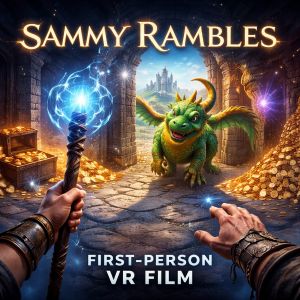
A first-person animated VR film starts with the audience’s position in the story. In Sammy Rambles and the Floating Circus, viewers experience the adventure through Sammy’s eyes. Planning therefore needs to consider what happens around them and how each encounter is understood.
How do we prepare a 360° film for different viewing platforms?
A 360-degree film may need different exports for a headset, a video platform and a normal promotional screen. Agree the intended destinations before finishing the edit. One file is not necessarily suitable for every viewing route.
Can we film an event without disrupting the audience?

A filming plan can be designed around your event, but the practical arrangements need to be agreed with the organiser and venue. High5VR can discuss camera positions, crew access and the activity you want recorded. The aim is to make production fit the event’s requirements.
How do you guide viewers through a film when they can look anywhere?
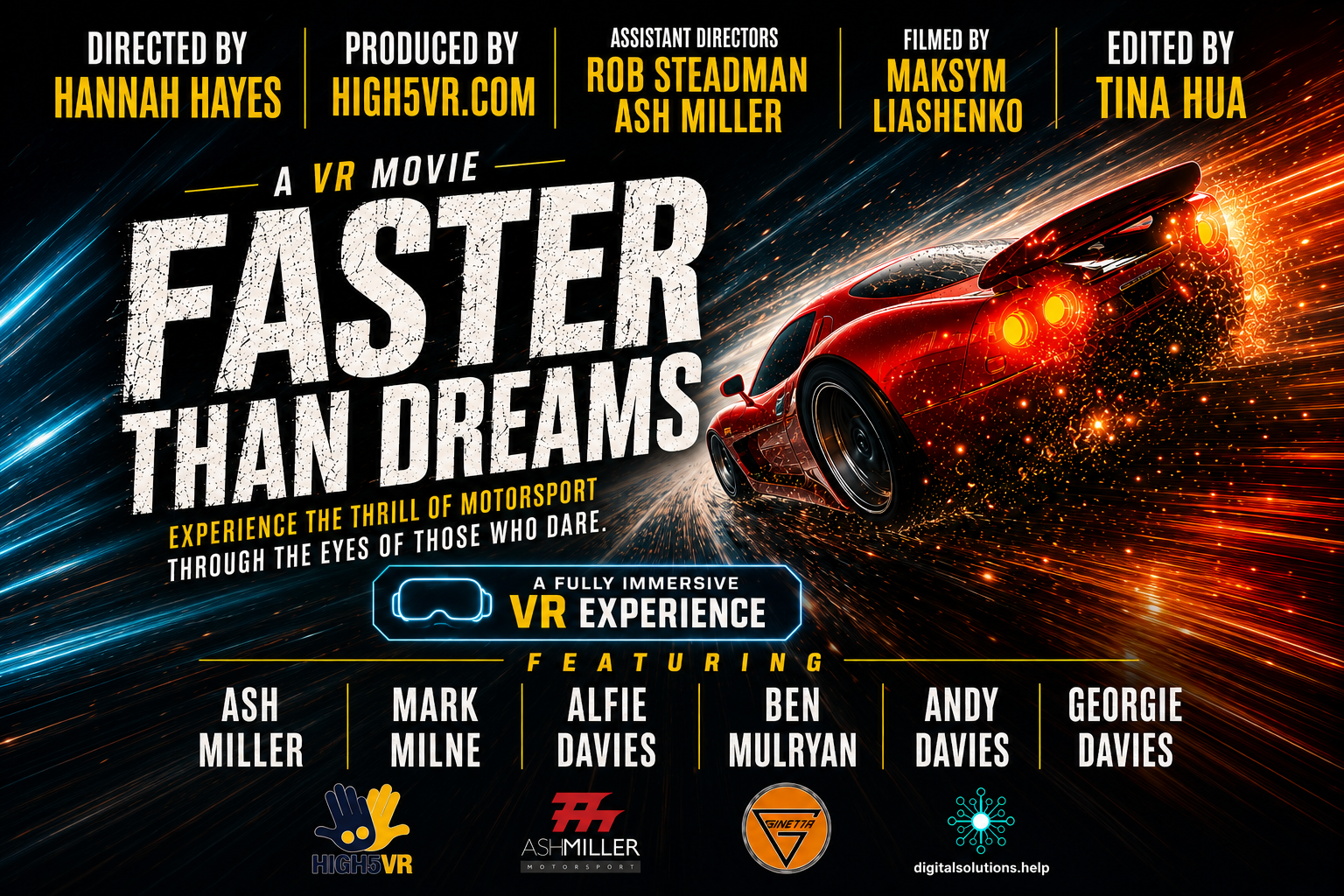
In an immersive film, viewers can explore the surrounding scene. The story therefore needs cues that help them understand where important activity is happening. High5VR considers the arrangement of action, sound and movement when planning first-person or 360° storytelling.
Can you create separate video versions for different audiences?
Yes, separate versions can be planned around different audiences while sharing suitable production material. High5VR can discuss a core film and additional edits with different emphasis. The required messages and deliverables should be defined before filming.
How is voice acting different when a character speaks directly to the viewer?
When a character speaks directly to the viewer, the performance needs to fit the audience’s position within the story. In Sammy Rambles and the Floating Circus, the first-person viewpoint places viewers behind Sammy’s eyes. Dialogue becomes part of an encounter rather than only an exchange watched from outside.
How do we update one section of a training film without filming everything again?
It may be possible to update one section of a training film while retaining the rest. That depends on how the original material was made, which files are available and how widely the change affects the lesson. A small process change should first be reviewed against the whole film.