An existing staff presentation can be a useful starting point for a training film. It contains the knowledge you want to share, but the slides usually need to be reshaped into a clear viewing experience. The first step is to identify what the viewer should understand or do afterwards.
View more
An interactive VR safety module begins with an approved learning task. The development process turns that task into a scene where the learner can observe, choose or act, then receive appropriate feedback. Visual production and programming need to follow the training purpose.
View moreA VR training project needs more than impressive graphics. The team must understand how to turn an approved learning objective into an experience that staff can use and trainers can review. The skills required vary with the content, hardware and reporting scope.
View moreInteractive 360 video combines a recorded view of a real setting with actions provided by a suitable player or application. Viewers might select a point of interest, open approved information or choose which scene to visit next. Looking around a film and interacting with its content are different capabilities, so the intended behaviour needs to be part of the production brief.
View more
The right length depends on the message, audience and where the video will be watched. A quick introduction and a detailed explanation have different purposes. High5VR can help define a focused structure instead of choosing a duration before the content is clear.
View more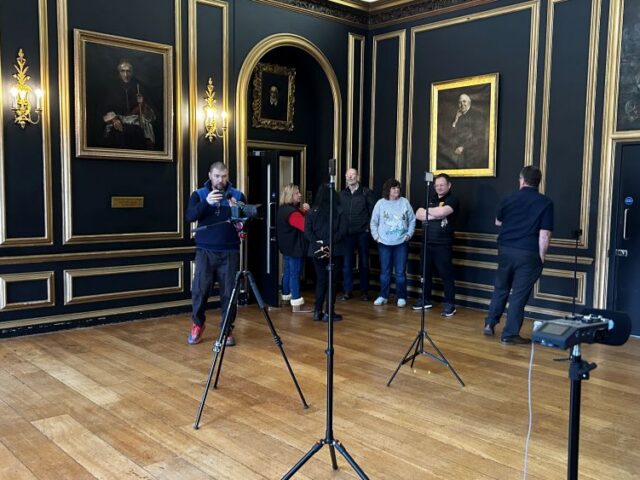
Yes, High5VR can discuss location filming for an immersive documentary. The first step is to understand the story, access and final viewing experience. A location needs to provide useful context for the audience rather than simply offer an interesting camera position.
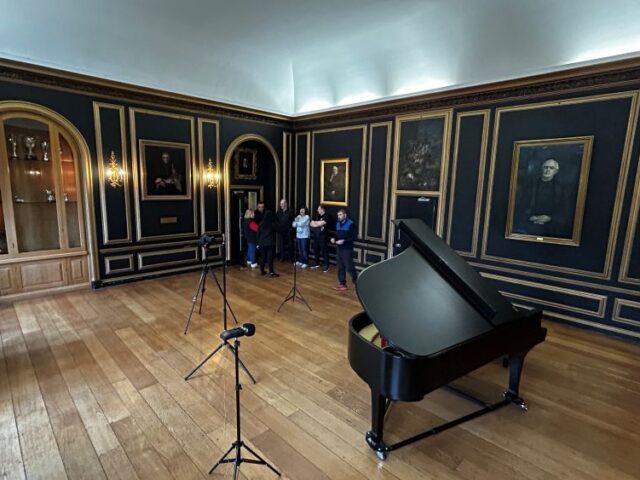
View moreA museum shoot begins with the institution’s access arrangements and the stories the film should convey. High5VR can work with your team to identify useful viewpoints around exhibits. Camera placement needs to support the audience’s understanding while respecting agreed collection and venue requirements.
View more
An AR demonstration can present a digital representation of a large product within a supported real-world view. High5VR can discuss an application for an event or sales conversation where transporting the physical item is impractical. The experience needs a defined purpose and accurate approved assets.
View more
Monoscopic and stereoscopic 360° films present the recorded scene differently. Monoscopic content uses the same view for both eyes, while stereoscopic content provides separate views intended to convey depth. The recording and delivery approach needs to suit the planned audience and equipment.
View more
A festive business video can be inexpensive when the idea and production scope are focused. High5VR quotes projects individually according to filming days, crew, equipment, locations, editing and final versions. The first step is choosing the message you want customers to remember.
View more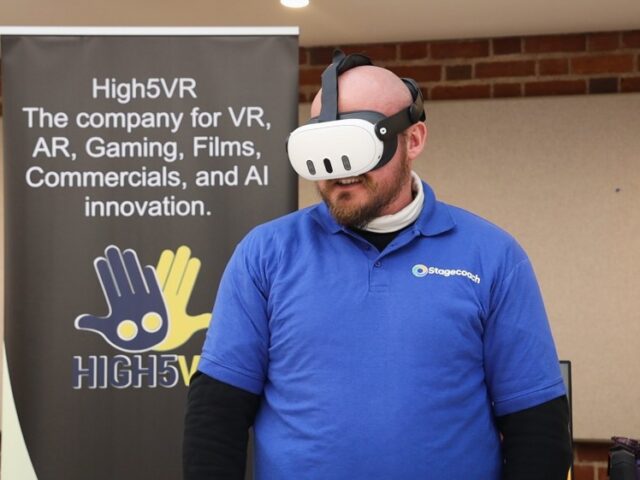
An immersive vehicle demonstration can give visitors a way to explore digital representations of cars you cannot bring to an event. High5VR can discuss a presentation around your vehicles and audience, with the required content and devices agreed before development.
View more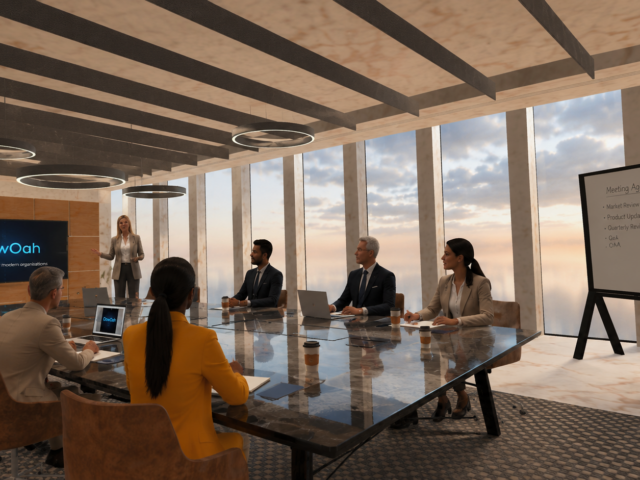
Yes, High5VR can discuss filming a customer interview around an agreed story and audience. A useful interview explains a real experience in the customer’s own words, supported by accurate context. Start with the subject and what viewers should understand.
View more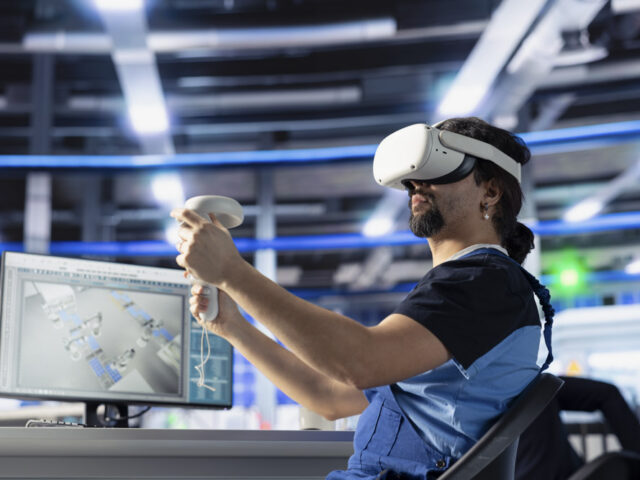
Choose the format around what the audience needs to see and do. 360° filming records an existing scene. A 3D animated environment can represent a fictional or proposed setting and support agreed interactions. High5VR can discuss either approach against your project brief.
View more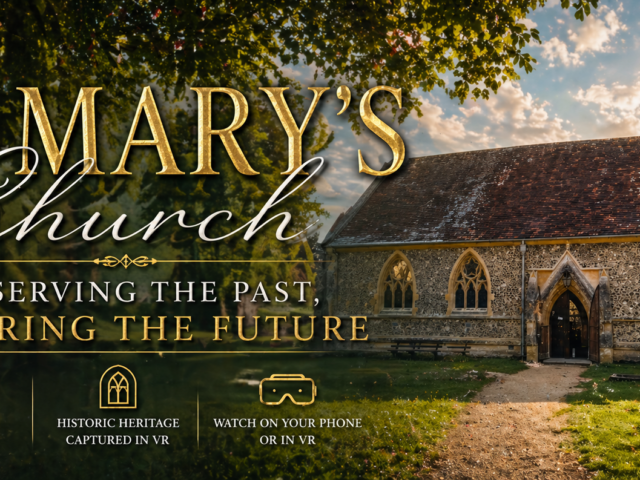
A VR museum tour can introduce selected exhibits and spaces to a remote audience. High5VR can discuss an immersive tour as an additional way to explore a collection. Its purpose should be clear: helping people become familiar with the museum, discover stories or plan a visit.
View more
Describe who needs help, which task is affected and what evidence shows a gap. A request to improve all training is difficult to scope. Identify an approved learning objective that the responsible team can explain and review.
View moreA video can demonstrate an approved sequence; classroom discussion can explore questions; supervised practical work can develop tasks in the actual setting. The appropriate combination depends on the audience and learning objective. No single format should be chosen simply because it is available.
View moreGive the audience, objective and the workplace context. Identify what learners should understand or practise, and provide approved procedures or reference material. A list of desired technologies is less useful than a clear description of the task the content must support.
View more
Ask which languages and presentation needs the programme must support. Reading ability, technical vocabulary and language familiarity are separate considerations. A translation alone may not make an instruction clear if the original assumes knowledge the learner does not have.
View more
An explanation, a supervised demonstration or a discussion of an approved scenario may reveal different aspects of learning. Decide which evidence is suitable for the objective. A written test remains useful for some purposes, but it should not automatically stand in for every practical task.
View more
Start with the approved knowledge and tasks relevant to the role. A broad survey about training preferences may not identify whether someone understands a specific procedure. The responsible team should decide which gaps matter and how they can be assessed appropriately.
View more
Lets leap into the future