
A production demo should help you assess whether the proposed experience serves your objective. Look beyond visual detail and examine what users can understand or do. High5VR can discuss a demonstration around the intended audience, task and supported devices.
View more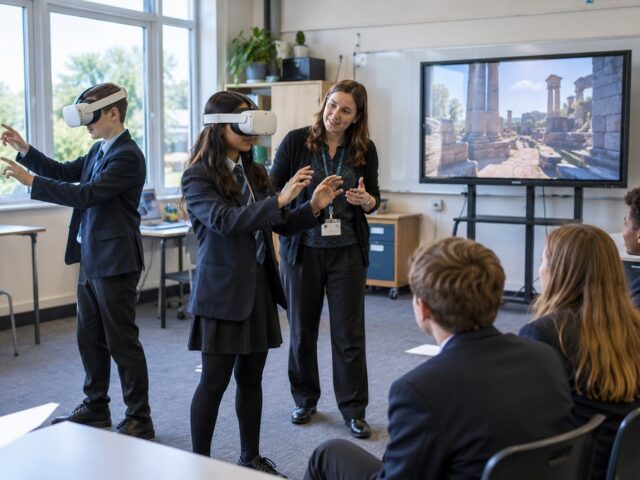
A free educational VR app still needs to be reviewed before classroom use. The school needs to know whether the content, access arrangements and operating conditions suit its pupils. The absence of an initial purchase price does not answer those questions.
View more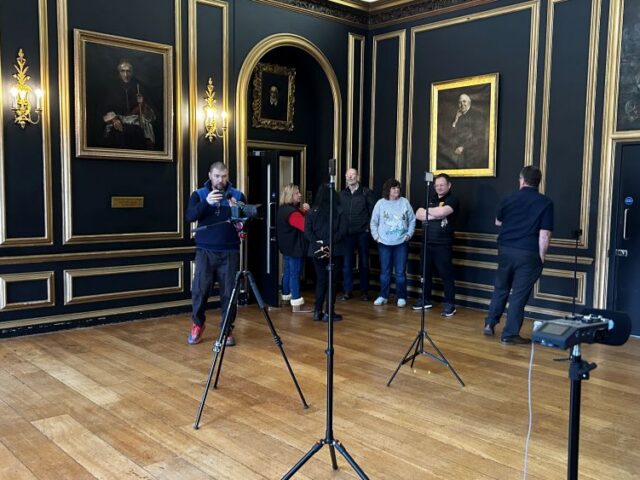
After filming, the footage needs to be reviewed and prepared for the agreed output. Depending on the camera workflow, this may involve stitching, editing and other finishing work. High5VR defines post-production within the brief rather than assume raw recordings are ready to publish.
View more
High5VR can discuss turning an idea into a bespoke VR game. The first step is to describe the experience you want a player to have, then test a small version of its most important action. A strong concept does not need a huge world to be worth exploring.
View more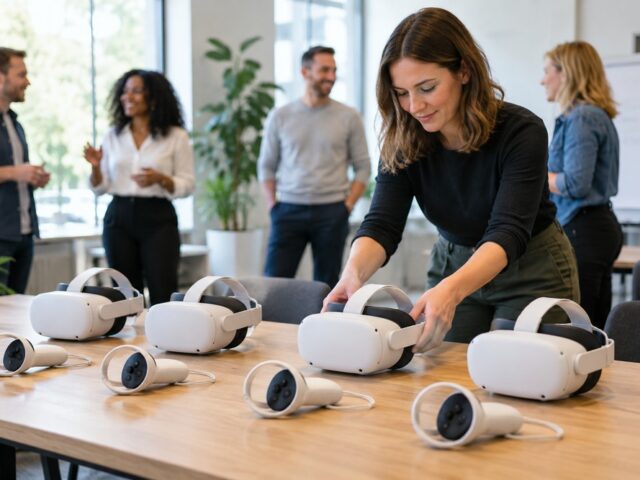
A class can use a small number of VR headsets through a planned rotation. The timetable must allow every pupil to take part in the lesson, including those waiting for a turn. Group size alone does not tell you how many headsets are needed.
View moreUseful educational VR content needs a stronger connection to the curriculum than an interesting setting. Start with what pupils are expected to learn, then ask whether the experience helps them observe, investigate or practise that particular idea.
View more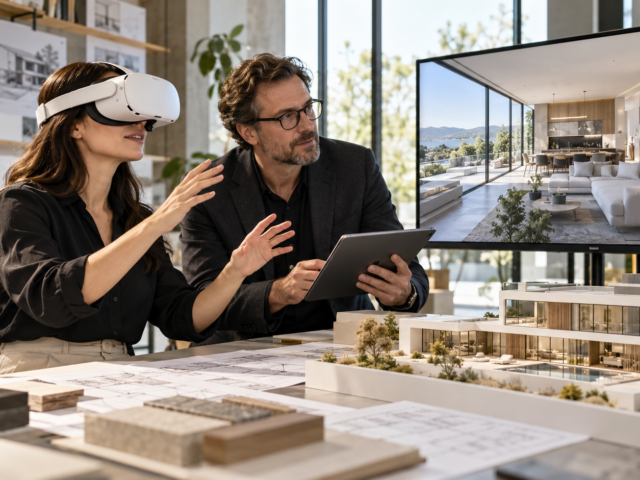
High fidelity VR describes an experience with a detailed or closely matched representation of the intended setting. For training, realism should serve the learning objective. A visually impressive environment is not automatically a useful exercise, and a simple scene may be enough when the task is to recognise a layout or discuss a decision.
View more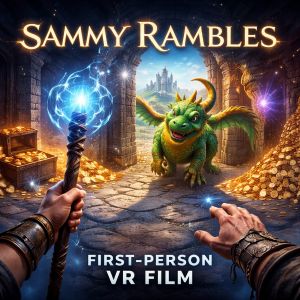
When a character speaks directly to the viewer, the performance needs to fit the audience’s position within the story. In Sammy Rambles and the Floating Circus, the first-person viewpoint places viewers behind Sammy’s eyes. Dialogue becomes part of an encounter rather than only an exchange watched from outside.
View moreA first school VR workshop should have one clear learning purpose and a manageable plan for every pupil. The headset experience is only part of the session. Preparation, supervision and classroom discussion determine how it connects to the lesson.
View more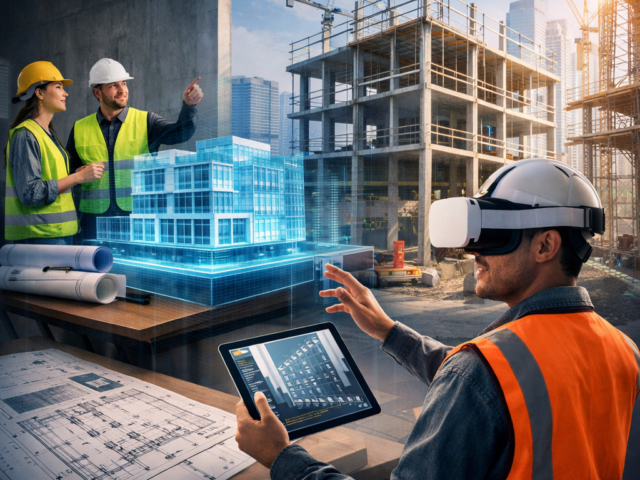
A busy-shift exercise can help a manager practise allocating work when several demands arrive together. VR adds a shared scenario for discussion; it should reflect the responsibilities, staffing and escalation arrangements of the real workplace.
View moreAR can be developed to show agreed product configurations, provided the digital assets and application support those options. High5VR can discuss how customers would select and compare them. Begin with the decisions your audience needs help understanding.
View more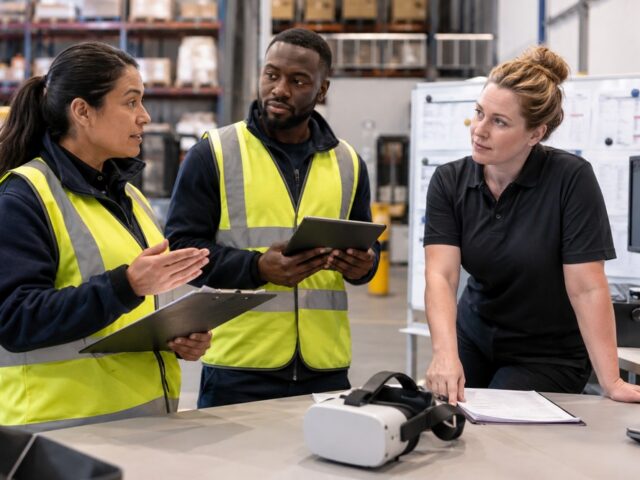
A trainer’s guide should explain how to run the learning activity around a VR exercise. It needs to cover the purpose, preparation, observation and discussion, as well as the basic equipment steps. A guide is most useful when another facilitator can use it without relying on the original developer.
View moreIt may be possible to update one section of a training film while retaining the rest. That depends on how the original material was made, which files are available and how widely the change affects the lesson. A small process change should first be reviewed against the whole film.
View more
Yes, a 360° film can be prepared for compatible screen-based players as well as a headset experience. On a screen, viewers may be able to move the viewpoint using the supported controls. The exact options depend on the platform and how the content is delivered.
View more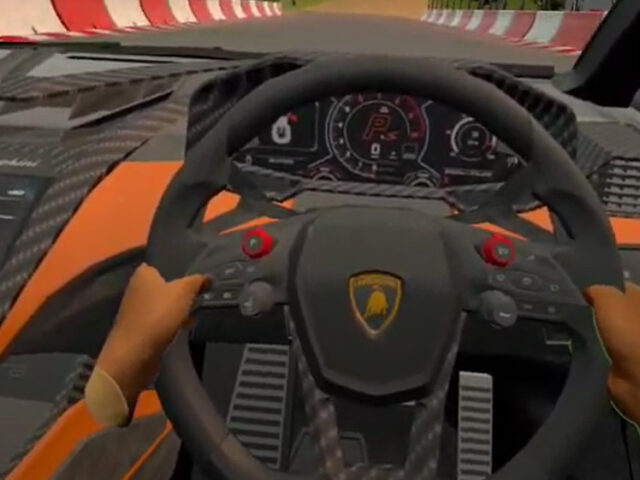
AutoVR360’s virtual driving experience and a real test drive serve different purposes. A virtual activity can introduce the experience and start a conversation, while driving an actual vehicle lets a customer assess that particular car in real conditions.
View more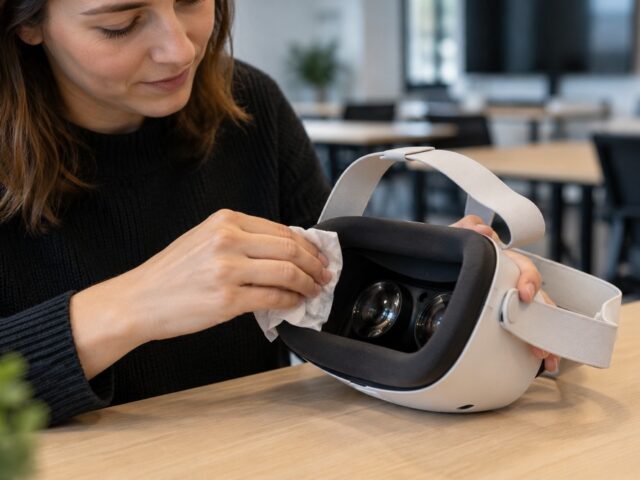
A shared VR training setup needs a cleaning routine that suits the exact headset and its accessories. Facial interfaces, straps, controllers and lenses can have different care instructions. Build that routine into the workshop timetable rather than treating cleaning as something to squeeze in between learners.
View more
VR training for port operations could give learners a separate setting to explore approved workplace scenarios before discussing them with an instructor. It would be an add-on to classroom learning, supervised practical training and the port’s own procedures. Start with one learning objective rather than try to reproduce an entire operational site.
View moreYes, VR can be developed as an add-on that supports preparation for technical instruction. A module could introduce equipment appearance, terminology or approved observations before practical teaching. High5VR can scope this with your responsible trainers and subject specialists.
View more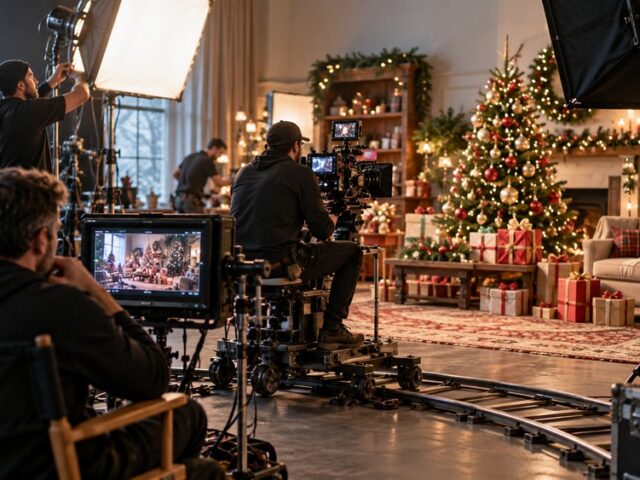
Start planning a Christmas TV advert while there is still time to agree the offer, make the content and complete the required reviews. There is no single production deadline for every campaign. The timetable depends on the work involved and the advertising dates you want to secure.
View more
Employees often speak more naturally on camera when they understand why they are being filmed and what will happen to the recording. A supportive production plan helps them concentrate on explaining their work rather than trying to deliver a perfect performance.
View more
Lets leap into the future