
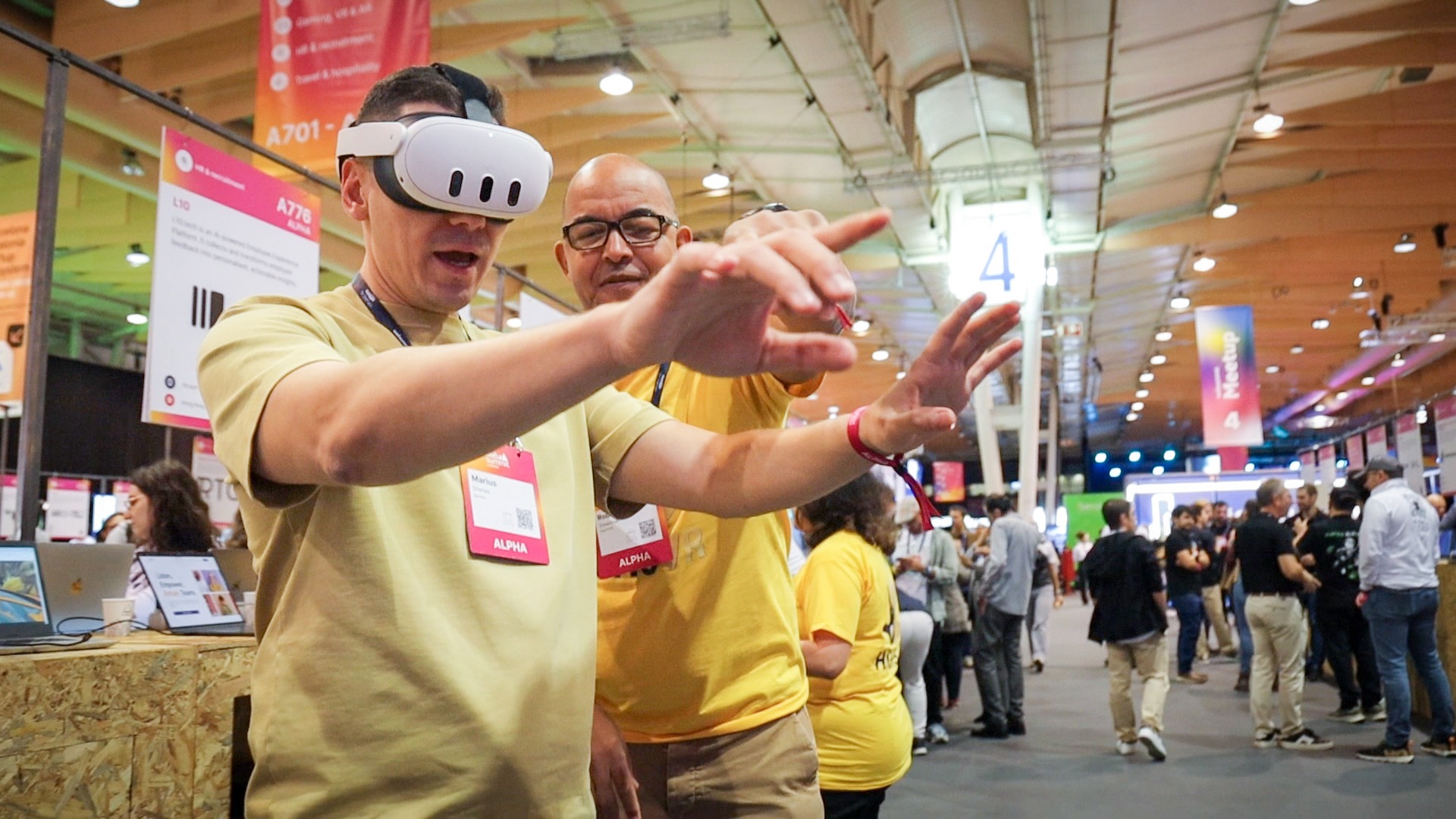
Quick answer: test whether a VR game is fun by building a small playable prototype of its main activity, using only the basic assets needed, and watching people who have never seen the idea play it. Note where they hesitate, get confused or want to play again, ask what they expected, and use what you learn to decide what to build next.
Why test early?
Building a full VR game takes time and money. If the main activity is not enjoyable, polished graphics will not fix it. A small prototype answers a different question from a trailer: what does someone actually want to do again?
Choose one interaction to test
Identify the core thing players will do most often, such as solving a puzzle, hitting targets, throwing objects or exploring. Build only that, with simple shapes and basic visuals. Decide what the prototype is meant to prove, for example “players enjoy stacking blocks under time pressure”.
What a rough prototype can reveal
- Whether the controls feel natural
- Whether players understand what to do
- Whether the activity is satisfying
- Whether it is too easy or too hard
- Whether it causes discomfort
- Whether players want another go
Observe unfamiliar players
Friends who already know the idea may overlook confusing parts. Test with people who have never seen it. Watch:
- Where they hesitate
- When they misunderstand feedback
- When they stop experimenting
- Whether they smile, laugh or get frustrated
Try not to explain too much. If you need to explain, the game probably does too.
Ask good questions
- What did you think you were supposed to do?
- What was the most fun part?
- What was confusing?
- Would you play again?
Use feedback to choose the next step
Agree which changes matter most and test again. Small, repeated tests are more useful than one big test at the end. When the core activity works, you can add levels, visuals and features with confidence.
What a playtest cannot tell you
A small playtest is for informing development. It cannot guarantee that the finished game will be a commercial success.
How High5VR can help
High5VR can discuss an initial prototype with defined deliverables. Read more about our VR and AR work.
Frequently asked questions
How many people should test it?
Even a handful of new players can reveal major issues.
Does the prototype need good graphics?
No. Simple shapes are enough to test the core idea.
How long does a prototype take?
It depends on the interaction, but it is much quicker than a full game.
What if testers do not enjoy it?
That is useful. Adjust the idea or try a different activity.
Contact High5VR to discuss your project, audience and delivery requirements.