
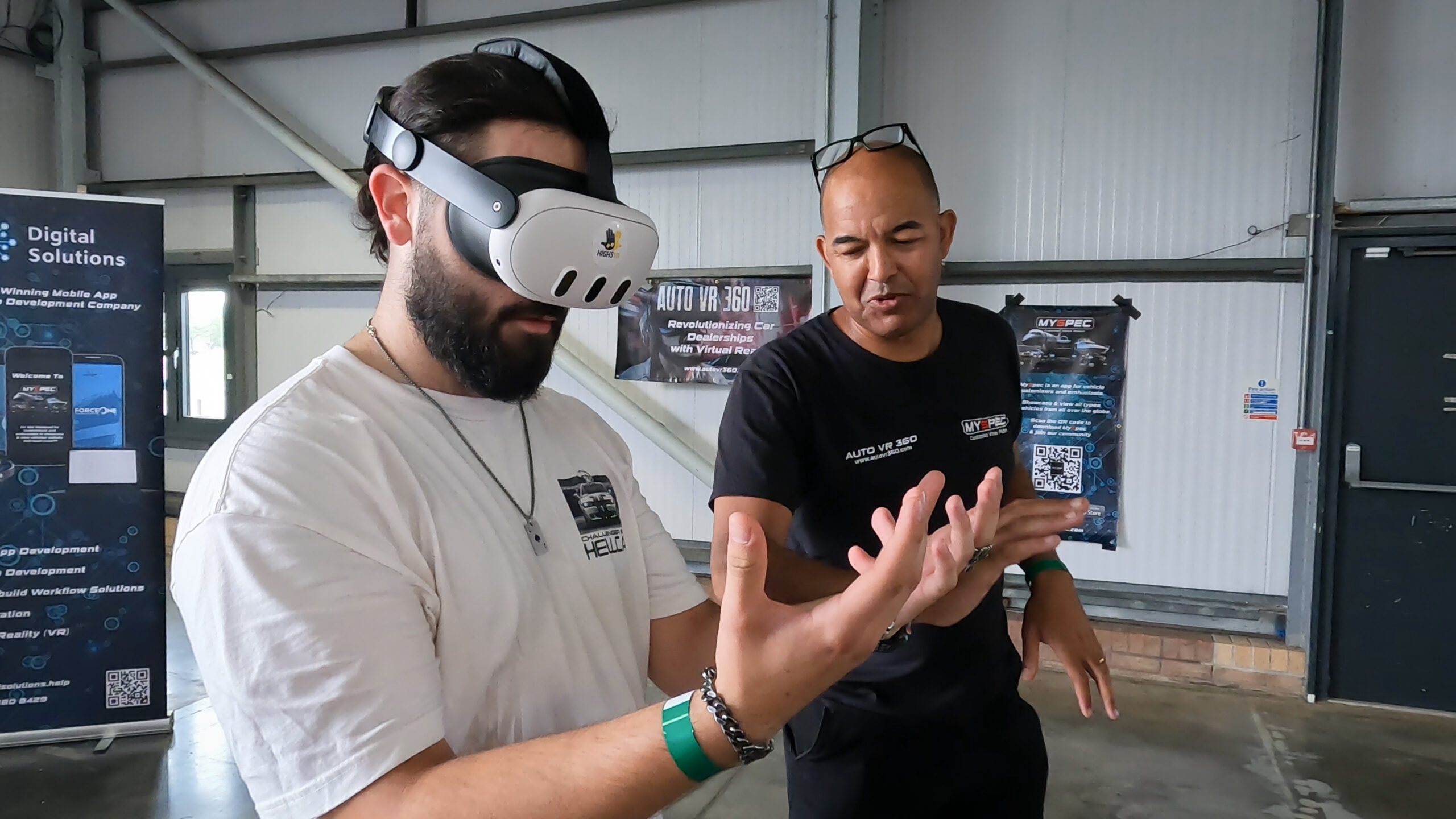
Quick answer: yes. A VR escape room combines exploring a virtual space, solving connected puzzles and a clear sense of progress towards escaping. The project needs good game design as well as an attractive environment, so plan what players discover and how the clues link together before building the room. A short first version with a few puzzles is the best way to test the idea.
What makes a good VR escape room
- A clear goal, such as escaping or finding a code
- Puzzles that connect logically, with each discovery leading to the next
- Clues that are visible and understandable from the player’s viewpoint
- Objects that can be picked up, opened and inspected
- A satisfying ending
- Atmosphere through sound, lighting and story
Plan the puzzle sequence first
Map out the journey before building anything:
- What does the player know at the start?
- What do they discover first?
- How does each discovery unlock the next step?
- What is the final challenge?
- What happens when they escape?
A room full of objects is not a game until the clues connect.
Make clues fair
Check that every clue can be seen and understood in the headset. Small text, dark corners or hidden items can be frustrating. A hint system can help, especially for players new to escape rooms or VR. Decide how hints are given and whether they affect the score.
Test interaction early
Try opening, selecting and inspecting objects on the intended headset early in development. Avoid puzzles that depend on a control the player has not learned yet. A short tutorial at the start can teach the basic actions.
Design decisions to make
- Movement: walking around the room, seated play or teleporting.
- Players: single-player or multiplayer, in the same room or remotely.
- Length: a short experience for events, or a longer one for dedicated play.
- Theme: mystery, sci-fi, history or something linked to your brand.
- Difficulty: one level, or easy and hard modes.
Each of these is a separate decision with its own effect on scope.
Uses beyond entertainment
VR escape rooms can also be used for team building, education and brand experiences. Puzzles can be built around a company’s products, a historical event or training topics.
Agree a first playable version
A short room with a few connected puzzles can show whether the concept works. High5VR can scope the artwork, sound, interactions and testing, with extra rooms or difficulty levels reviewed later. Costs depend on the agreed scope and asset work. A focused project can be affordable; future features need to be reviewed separately. Read more about our VR and AR work.
Frequently asked questions
Can several people play together?
Yes, if multiplayer is designed in. It adds to the scope.
How long should it take to play?
That depends on the use. Event versions are often shorter.
Can it be branded?
Yes. The theme and puzzles can be built around your brand.
Which headset is needed?
This is agreed at the start, based on your audience and venue.
Contact High5VR to discuss your VR escape room idea.